B2B Prospecting
B2B Prospecting in 2027: What Changed, What Still Works, and How to Adapt
What worked in B2B prospecting in 2022 no longer works. See what changed, what still works, and how Prospecta adapts client operations.
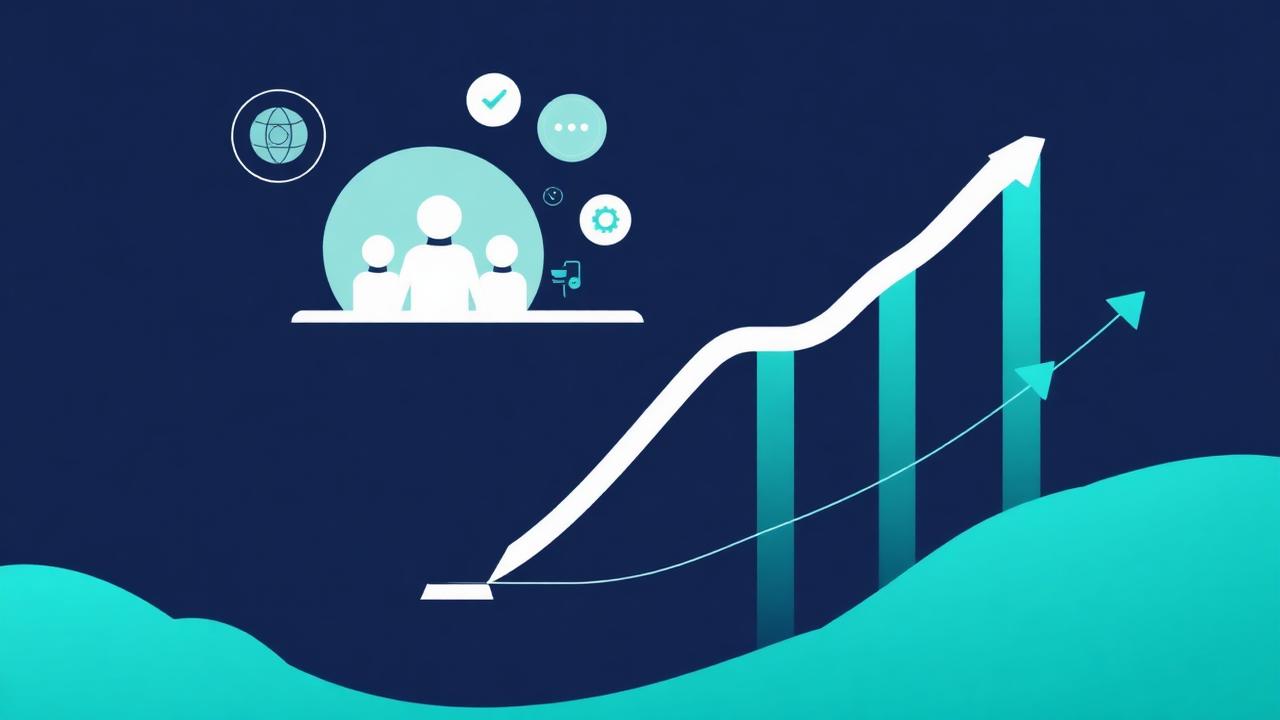
In 2022, sending 500 cold emails a day and expecting a 5% response rate was acceptable. It worked—poorly, but it worked.
In 2027, that same indiscriminate approach can destroy your email domain’s reputation, damage your brand, and produce zero results. More activity does not automatically create more opportunities.
The rules of B2B prospecting have changed. Companies that have not adapted are feeling the consequences: higher volume, fewer responses, and a higher cost per lead. Sales teams stay busy while their calendars fill with fewer qualified conversations.
The answer is not simply another automation tool or a bigger contact list. It is a different operating model, built around relevance, channel coordination, and disciplined execution.
In this article, Prospecta Clientes explains what changed, what still works, and how to adapt your sales operation for 2027.
What Changed in B2B Prospecting
Buyers Are More Informed
The decision-maker of 2027 researches before agreeing to any conversation. They consult ChatGPT, read articles, watch videos, and ask colleagues on LinkedIn. By the time they accept a meeting, they already have a perspective on the problem—and possible solutions.
That means a generic approach like “Can I introduce our solution?” no longer opens doors. Prospects want to feel that you understand their specific situation, not just their industry or job title.
Before reaching out, identify a business signal: a new market launch, an expanding sales team, or a public discussion about pipeline challenges. Connect that signal to a plausible problem without pretending to know internal information.
For instance, a company hiring several account executives may need more qualified meetings to support that investment. Your message can raise that possibility and ask whether it is a priority.
The goal is not to demonstrate everything you found. It is to give the buyer one relevant reason to respond.
Spam Filters Have Become Much Smarter
Gmail, Outlook, and other providers increasingly use AI and behavioral signals to detect bulk prospecting emails. Without gradual domain warm-up, meaningful copy variation, and a healthy sending reputation, messages can land in spam—or, worse, sending can be blocked.
The result is straightforward: volume without quality does not just fail. It actively harms the operation.
Treat deliverability as infrastructure, not an afterthought. Check authentication settings, validate addresses, remove invalid contacts, and monitor bounces and complaints. Increase sending cautiously rather than pushing a new domain into an aggressive campaign immediately.
Copy variation also needs substance. Swapping a greeting or rearranging a sentence does not turn an irrelevant offer into a useful message. Segment contacts by actual business context and write accordingly.
If performance drops, investigate before increasing volume. A falling response rate may indicate poor targeting, inbox placement problems, or an offer that does not match the audience. Each cause requires a different correction.
LinkedIn Has Become More Saturated
InMail and LinkedIn connection requests are increasingly ignored. Decision-makers receive dozens of sales messages every week, often using the same template: “I saw your profile and thought it would make sense to connect.”
What works on LinkedIn in 2027 is different: content, genuine engagement, connections with real context, and personalized outreach with a specific reference.
Start by understanding what the prospect discusses publicly. Read their posts, notice the conversations they join, and contribute when you have something useful to add. A thoughtful comment creates more context than an immediate product pitch.
Then make the connection request relevant. Refer to a specific topic, not simply the fact that you found their profile.
After connecting, avoid sending a long presentation immediately. Ask a focused question connected to the earlier discussion. If someone writes about slow sales cycles, explore where deals stall before proposing a meeting.
The objective is recognition and relevance—not manufactured familiarity or engagement performed only to trigger a sales sequence.
What Still Works—and Works Well
Cold Email with Real Personalization
Cold email is not dead. Generic cold email is. AI-supported enrichment and personalized copywriting can help response rates become competitive again when the underlying data and targeting are sound.
The difference is quality: less volume, more personalization, and copy that shows you researched the prospect before writing.
Useful personalization connects three elements: a verified company signal, a relevant business challenge, and a clear reason to talk. Mentioning someone’s first name or company does not accomplish that.
For a business entering a new region, focus on reaching buyers in that market rather than describing every service you offer. Keep the message short and end with a question that is easy to answer.
Use AI to organize research and draft variations, but review factual claims before sending. Invented details undermine credibility immediately.
Our guide to cold email that converts explains how to build clearer messaging around relevance, a specific offer, and a practical next step.
LinkedIn with Social Selling
LinkedIn works as a prospecting channel when outreach is supported by a visible content presence. The salesperson or company profile regularly publishes about customer pain points, client stories, and industry trends.
That content becomes context for outreach: “I noticed you commented on the post about X.” The message refers to something real rather than forcing a connection.
Build content around questions buyers actually ask. Discuss why qualified opportunities stall, how to assess lead quality, or what changes when a company enters a new segment. Share practical observations instead of turning every post into a product advertisement.
Consistency matters more than publishing constantly. Choose a schedule the team can maintain and leave time for meaningful conversations in the comments.
When someone engages, check whether they fit your target audience before starting a sales conversation. Engagement is a signal of interest in a topic, not proof of purchase intent. Social selling works when useful visibility supports relevant outreach.
Orchestrated Multichannel Cadences
Email, LinkedIn, WhatsApp when appropriate, and strategic calls each have a role. Orchestration makes the cadence efficient; AI helps make the supporting research, drafting, and prioritization scalable.
This does not mean sending the same pitch everywhere. Email can introduce a business hypothesis. LinkedIn can add professional context. A call can clarify urgency. WhatsApp may be appropriate when permission, an existing relationship, or local business practices support it.
Define the purpose of every touchpoint before launching the sequence. If a follow-up adds no information and offers no easier way to respond, reconsider it.
Also define stop conditions. A reply, an opt-out, or a confirmed lack of fit should change the next action. Continuing an automated sequence after a conversation starts makes the team look disconnected.
Our guide to multichannel cadences across LinkedIn, email, and WhatsApp covers how to coordinate timing and messaging. The channels remain distinct; coordination comes from a clear process and shared activity records.
Referrals and Structured Networking
Referrals have always worked. In 2027, they matter even more because prospects arrive with a positive predisposition instead of evaluating a completely unfamiliar seller.
Unlike unsolicited outreach, a referral can transfer some existing trust into the first conversation. That does not eliminate qualification, but it changes the starting point.
Smart companies structure referral programs rather than waiting for introductions to happen spontaneously. They define who would make a strong referral, when to ask, and how to make the introduction easy.
A good moment may follow a successful milestone, positive feedback, or a review meeting where the client recognizes progress. Ask for an introduction to a specific type of company or role, not simply “anyone who needs help.”
AI can help identify clients with greater referral potential by organizing relationship history, satisfaction signals, and relevant networks. The request itself should remain thoughtful and personal.
Track introductions, qualified conversations, and resulting opportunities so networking becomes a repeatable process rather than an occasional surprise.
How Prospecta Adapts Client Operations for 2027
When a new client comes to Prospecta, the first step is an audit: what is happening today, what is working, and what is consuming resources without a return.
We look beyond activity totals. Sending more messages is not progress if the audience is wrong, replies are mostly negative, or meetings rarely become opportunities. The diagnosis needs to connect outreach activity with actual sales outcomes.
The audit examines targeting, contact data, messaging, channel usage, email infrastructure, follow-up practices, and handoffs to sales. We also review what happens after a prospect responds. Slow routing or unclear ownership can waste interest that the campaign worked hard to generate.
From there, we build a prospecting operation adapted to the current environment: a refined ideal customer profile, a multichannel cadence, AI-assisted personalized copy, healthy email infrastructure, and week-by-week metric tracking.
The implementation follows a practical sequence:
- Refine the ideal customer profile using customer patterns, buying roles, business needs, and explicit disqualification criteria.
- Separate audiences into meaningful segments so each campaign addresses a recognizable situation.
- Prepare sending infrastructure and validate contact data before increasing outreach activity.
- Assign a purpose to each channel and establish follow-up timing, ownership, and stop conditions.
- Review replies, qualified meetings, opportunity creation, and costs every week to guide adjustments.
A clear ICP before B2B prospecting helps prevent the operation from scaling the wrong audience. It also makes message testing more useful because the team knows whose response it is trying to improve.
Weekly reviews should produce decisions, not just reports. If one segment responds but rarely qualifies, revisit fit. If qualified prospects engage but decline meetings, review the offer and next step. Change a defined variable, observe the effect, and document what the team learns.
There is no universal formula. There is honest diagnosis and consistent execution. The objective is an operation the client understands, can evaluate transparently, and can scale responsibly.
Ready to adapt your B2B prospecting for 2027? Schedule a demo with Prospecta Clientes to discuss your current operation, identify the biggest gaps, and explore a more relevant, measurable approach to generating qualified conversations.
FAQ
Does cold email still work in 2027?
Yes, but it requires genuine personalization, properly configured sending infrastructure, and controlled volume. With the right approach, open rates above 40% are achievable, although privacy features can distort this metric. Evaluate replies and qualified conversations alongside opens.
Which channel offers the best value for B2B prospecting today?
It depends on your average deal size and buyer profile. For high-value deals and senior decision-makers, LinkedIn combined with social selling can offer the best value. For quality at scale, properly configured cold email remains a leading option.
How does Prospecta ensure a results-focused approach?
We work with clear goals and full transparency in performance metrics. Our model focuses on building an operation together that the client understands and can scale. We review progress consistently and adjust execution based on evidence rather than promising a predetermined outcome.
What should a company change first when prospecting performance declines?
Start with an audit of targeting, email deliverability, messaging, and follow-up. Identify where prospects drop out before increasing volume. Fix the highest-impact issue, test the adjustment with a defined audience, and review qualified replies and meetings weekly.
Want to apply this in your operation?
Prospecta combines LinkedIn, multichannel automations, CRM and human SDRs to generate qualified meetings every day.
Keep reading
B2B Prospecting
Cold E-mail B2B que Converte: Estrutura, Templates e Métricas em 2026
Como escrever cold e-mails B2B que abrem, respondem e geram reuniões: estrutura comprovada, exemplos de copy, deliverability e métricas de referência.
Sales Automation
Cadência Multicanal: como combinar LinkedIn, E-mail e WhatsApp em vendas B2B
Como montar uma cadência multicanal de prospecção B2B com LinkedIn, e-mail e WhatsApp: ordem ideal dos toques, templates e métricas de referência.
B2B Sales
Como Qualificar Leads B2B: MQL, SQL e o método para não perder tempo
Entenda a diferença entre MQL e SQL, critérios práticos de qualificação B2B (BANT, GPCT, CHAMP) e como aplicar no seu funil para acelerar fechamentos.